Community-Led Social Innovations Inspired by SIDINL
SIDINL Mental Health Groups go beyond individual healing, serving as a catalyst for community-driven social change. By fostering a sense of empowerment and collective responsibility, these groups inspire participants to address broader mental health and social challenges in their communities. These initiatives, often rooted in the insights gained through storytelling and cross-continental collaboration, lead to innovative solutions that create lasting impact.
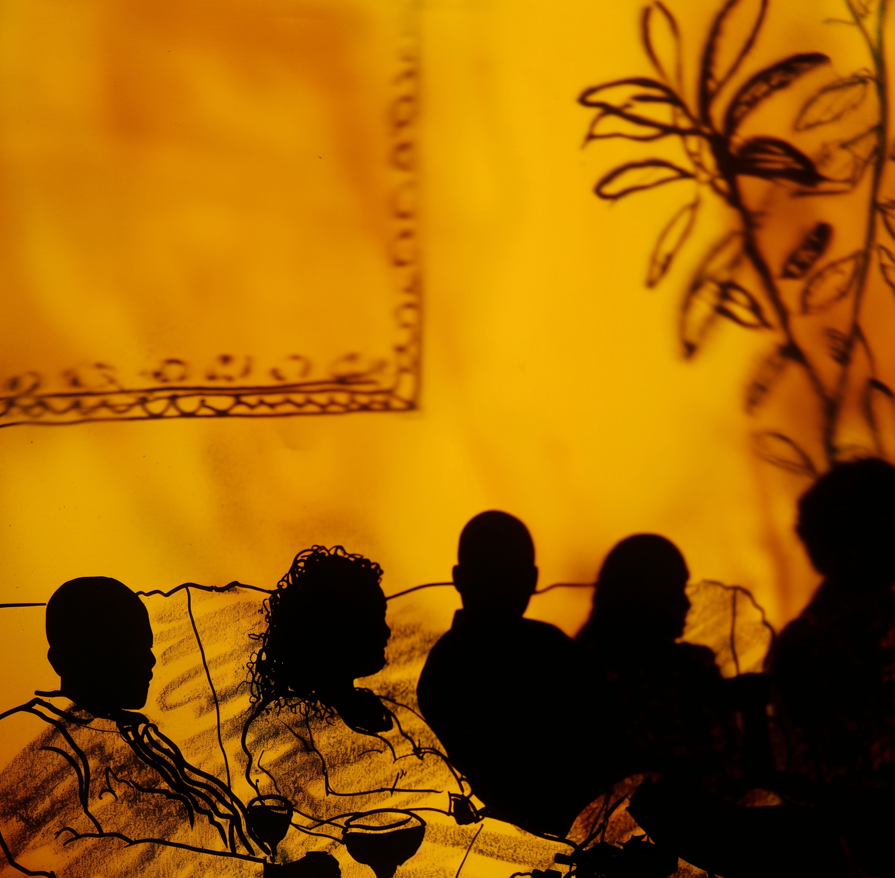
Empowering Communities Through Storytelling
SIDINL Mental Health Groups use storytelling as a tool to transform individual narratives into collective action:
- Community Awareness:
Participants often initiate awareness campaigns to destigmatize mental health issues, using their own stories as powerful examples.
Example: In South Africa, a group of domestic violence survivors created a public art exhibit showcasing their journey toward healing. This exhibit sparked community dialogue about gender-based violence and mental health. - Shared Ownership:
Groups encourage collective problem-solving, where participants and curators co-develop solutions tailored to their local contexts.
Localized Mental Health Initiatives
Participants often adapt SIDINL tools to create community-specific programs:
- Peer-Support Networks:
Inspired by the trust built in SIDINL groups, participants establish ongoing peer-support systems within their communities.
Example: In rural Kenya, a group addressing trauma from displacement launched weekly support circles in neighboring villages, led by trained participants. - Educational Workshops:
Participants organize workshops to teach coping mechanisms and stress management techniques to community members.
Example: A SIDINL group in Greece collaborated with local schools to deliver mental health education for immigrant children and their families.
Cross-Continental Influence on Local Innovation
The cross-continental exchange of ideas often sparks creative adaptations of global practices:
- African Contributions to Europe:
Ubuntu-inspired practices of communal healing have been incorporated into group therapy models in urban European communities, fostering greater inclusivity.
Example: A SIDINL group in Germany adapted African storytelling techniques to help immigrant families process intergenerational trauma. - European Contributions to Africa:
European participants share structured frameworks for trauma-informed care, which are customized for use in African contexts.
Example: A mindfulness-based program developed by a SIDINL group in France was introduced to school teachers in Uganda to address classroom stress.
Advocacy and Policy Influence
Many SIDINL participants leverage their experiences to advocate for systemic change:
- Local Advocacy Campaigns:
Participants use their stories to push for better mental health services, influencing local government and NGO priorities.
Example: In Italy, a SIDINL group led by refugees successfully advocated for increased access to culturally sensitive counseling services. - Policy Input:
Reports and recommendations generated by SIDINL groups are shared with policymakers to inform mental health legislation.
Example: In Nigeria, insights from a group addressing environmental trauma contributed to a regional policy recommendation on climate change and mental health.
Long-Term Community Impact
SIDINL Mental Health Groups often evolve into sustainable initiatives that continue to benefit their communities:
- Resilience Networks:
Groups that start as mental health support systems often expand into broader resilience networks addressing various community challenges.
Example: In Spain, a SIDINL group initially focused on mental health in drought-affected areas now leads projects on sustainable agriculture and water conservation. - Community Leadership:
Participants frequently emerge as local leaders, taking on roles in mental health advocacy or community development.
Example: A former SIDINL participant in Rwanda now runs a nonprofit that supports survivors of sexual violence.

Real-World Examples of Social Innovation
- Stigma Reduction in Uganda:
A SIDINL group addressing male survivors of sexual violence partnered with local organizations to create an awareness campaign, resulting in increased reporting and access to counseling services. - Mental Health Access in Greece:
Refugee participants established a hotline for mental health support in Arabic and Farsi, inspired by cross-continental insights shared in their SIDINL group. - Environmental Action in Kenya:
Farmers in a SIDINL group tackling climate anxiety started a reforestation project, combining environmental sustainability with mental health recovery.
Fostering a Culture of Innovation
SIDINL’s model encourages participants to think creatively and act boldly:
- Collaborative Problem-Solving:
Group discussions inspire participants to view challenges through a new lens, often leading to unconventional solutions. - Empowerment Through Action:
By turning their stories into initiatives, participants reclaim agency and inspire others to do the same.


Conclusion
SIDINL Mental Health Groups demonstrate the profound ripple effect of storytelling and collaboration. By empowering individuals to become changemakers, these groups inspire community-driven social innovations that address mental health challenges and foster long-term resilience. Through localized initiatives and cross-continental learning, SIDINL transforms personal healing into collective progress, proving that the power of connection can truly change the world.