Cross-Disciplinary Impact of SIDINL Mental Health Groups
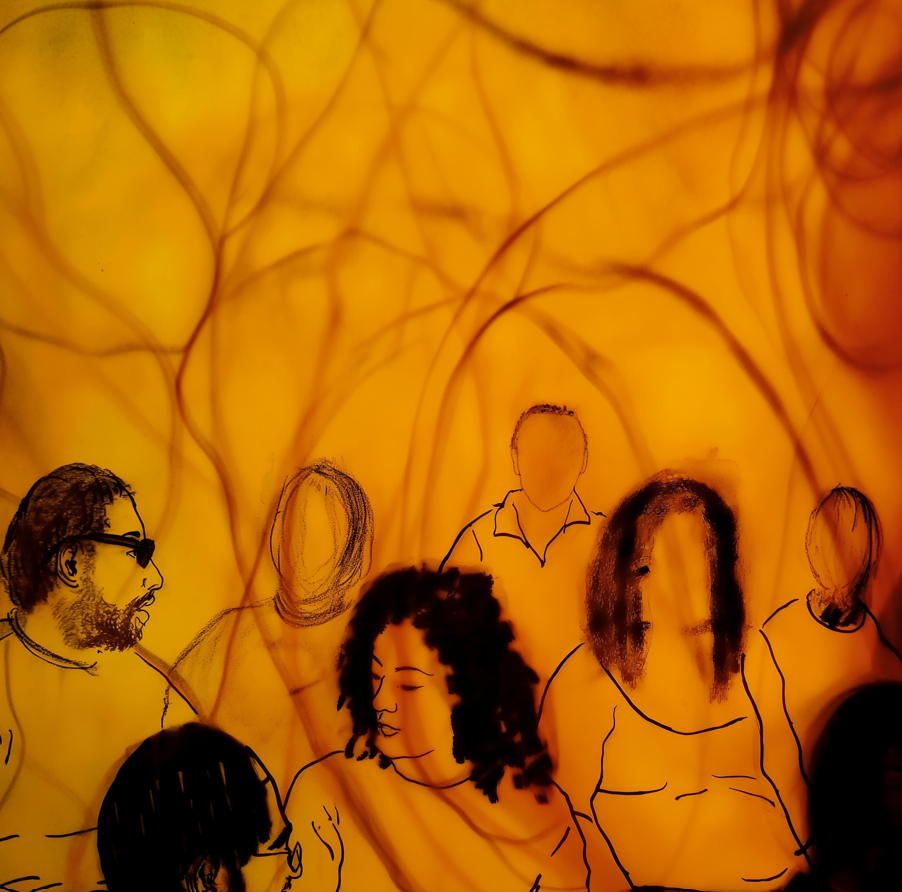
SIDINL Mental Health Groups transcend the boundaries of traditional mental health practices, impacting a wide array of disciplines including education, community development, policy-making, and environmental advocacy. By leveraging storytelling, cultural sensitivity, and cross-continental collaboration, SIDINL fosters innovative solutions that address complex societal challenges. This cross-disciplinary influence reflects the far-reaching potential of SIDINL’s model to inspire and drive change beyond mental health.
Impact on Education
SIDINL’s storytelling approach has found significant application in educational settings:
- Mental Health Education:
Insights from SIDINL groups are integrated into school curriculums, helping educators and students address stigma, bullying, and stress.
Example: In Greece, a SIDINL report on trauma-informed practices inspired workshops for teachers working with refugee children, providing strategies to create supportive classroom environments. - Cultural Exchange and Empathy Building:
Schools in Europe and Africa use stories from SIDINL groups to teach students about cultural diversity and resilience.
Example: A school in Kenya introduced storytelling circles to help students process the emotional impact of drought, using SIDINL methods adapted from European group therapy practices.
Influence on Policy-Making
SIDINL groups contribute valuable data and perspectives that inform mental health policies:
- Local Policy Development:
Recommendations generated by SIDINL groups addressing marginalized communities’ mental health needs often shape local government policies.
Example: In Uganda, insights from a SIDINL group on post-conflict trauma led to the inclusion of community-based mental health services in regional health strategies. - Cross-Continental Policy Insights:
Policymakers use SIDINL’s case studies and reports to design interventions that address shared challenges, such as migration and environmental trauma.
Example: A report on stigma reduction in refugee camps was adopted by policymakers in both Italy and Nigeria, influencing mental health support frameworks.
Contributions to Community Development
SIDINL groups often spark broader community-driven initiatives:
- Empowering Local Leaders:
Participants who have undergone personal transformations in SIDINL groups frequently emerge as leaders in their communities, driving development projects.
Example: In Rwanda, a participant started a grassroots initiative to provide vocational training for survivors of sexual violence, blending mental health support with economic empowerment. - Building Resilient Communities:
The collaborative problem-solving techniques fostered in SIDINL groups help communities address structural challenges like housing and unemployment.
Example: A group in South Africa addressing housing trauma led to the establishment of a cooperative housing model inspired by European practices shared in the group.
Environmental Advocacy and Sustainability
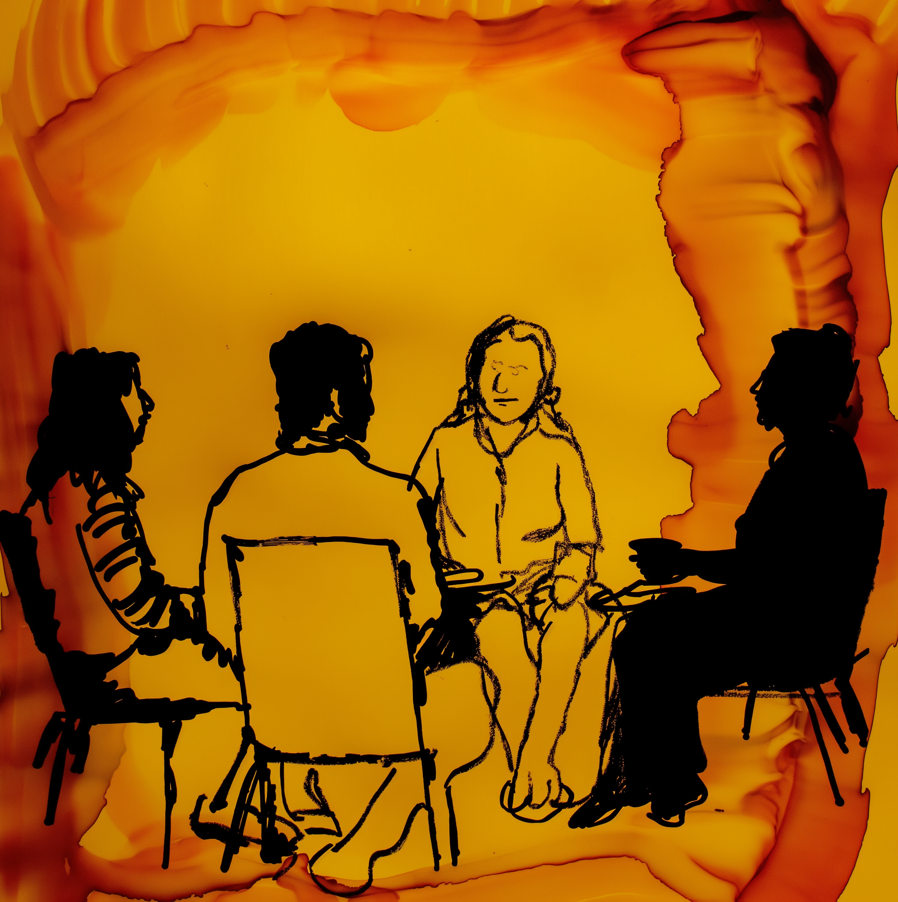
SIDINL’s impact extends to environmental challenges, showcasing the connection between mental health and ecological well-being:
- Climate Change and Mental Health:
Groups dealing with climate-induced trauma inspire participants to engage in environmental advocacy and sustainable practices.
Example: In Kenya, farmers affected by drought used SIDINL storytelling techniques to raise awareness about the mental health effects of climate change, leading to community-led reforestation projects. - Cross-Continental Solutions:
African participants shared strategies for drought-resistant farming with European groups addressing agricultural challenges, creating a dialogue on sustainable farming practices.
Innovations in Therapeutic Practices
SIDINL’s hybrid approach to therapy influences mental health practices across disciplines:
- Integration of Traditional Healing and Modern Therapy:
SIDINL’s model combines African communal healing traditions with European evidence-based therapies, creating adaptable frameworks for diverse contexts.
Example: A hybrid model of Ubuntu-inspired group therapy and Cognitive Behavioral Therapy (CBT) has been used to address intergenerational trauma in both African and European settings. - Expressive Arts as a Cross-Disciplinary Tool: Techniques such as storytelling, music, and drama therapy are now being adapted for use in education, conflict resolution, and community building.
Cross-Cultural Research and Academic Influence
SIDINL’s documentation and reports contribute to global research efforts:
- Case Studies and Publications:
Anonymized case studies from SIDINL groups provide rich qualitative data for researchers studying trauma, resilience, and cultural adaptation.
Example: A study on intergenerational trauma, inspired by SIDINL’s work in Rwanda, was published in a leading academic journal on mental health. - Collaboration with Researchers:
Independent researchers partner with SIDINL to explore the intersection of mental health, culture, and social innovation, expanding the knowledge base across multiple disciplines.
Inspiring Global Networks
SIDINL Mental Health Groups foster networks that bridge mental health with other fields:
- Cross-Disciplinary SIDINL Conferences:
Participants and curators contribute to international forums on mental health, sustainability, and education, sharing insights from SIDINL’s work. - Partnerships with local NGOs and Organizations:
Local NGOs use SIDINL’s methodologies to address intersectional challenges, such as integrating mental health support into disaster relief programs.
Conclusion
SIDINL Mental Health Groups are a powerful example of how addressing trauma can have a ripple effect across disciplines. By fostering connections between mental health, education, policy-making, community development, and environmental advocacy, SIDINL has created a model for holistic, sustainable change. This cross-disciplinary impact not only enhances the well-being of individuals but also strengthens communities and influences global conversations, demonstrating the transformative power of storytelling and collaboration.