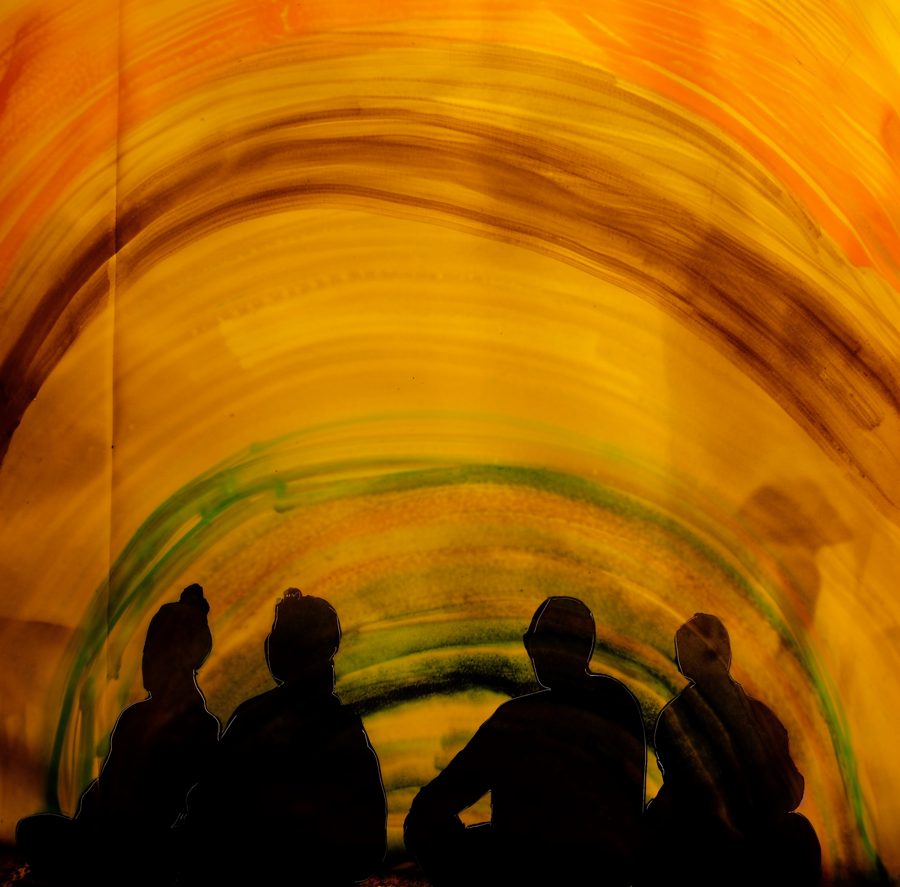
Healing Support from Trauma
SIDINL Mental Health Groups are designed to provide effective, culturally sensitive support for individuals navigating trauma. By combining curated storytelling, therapeutic tools, and long-term engagement, these groups create a structured and empathetic environment for healing. Here’s how SIDINL operates efficiently to address mental health challenges:
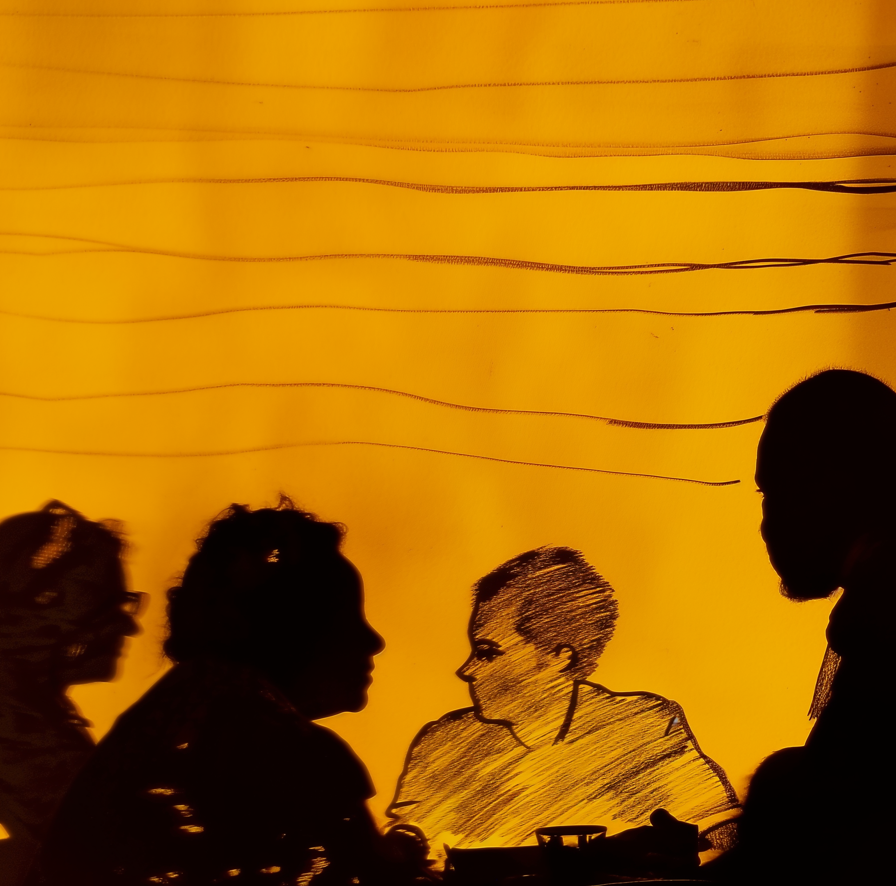
Therapeutic Tools in SIDINL Groups
Narrative Therapy:
- Participants are encouraged to share their personal stories of trauma, reframing their experiences in ways that highlight resilience and hope.
- Local curators guide these storytelling sessions, ensuring that narratives are shaped constructively, fostering a sense of empowerment and closure.
Peer Support Circles:
- Groups are kept small and private, allowing participants to build trust and share openly without fear of judgment.
- Peer-to-peer interaction provides validation and solidarity, reducing feelings of isolation often associated with trauma.
Expressive Arts Therapy:
- Participants use creative outlets such as painting, music, and drama to express emotions that are difficult to articulate verbally.
- For example, in a Kenyan group, art therapy helped survivors of domestic violence visualize their journeys toward healing.
Cognitive Behavioral Techniques (CBT):
- External professionals introduce practical coping strategies, such as stress management, relaxation exercises, and thought reframing.
- These tools are adapted to fit the cultural and contextual needs of participants, ensuring accessibility and relevance.
Culturally Sensitive Support
SIDINL tailors its therapeutic approaches to resonate with the cultural contexts of its diverse participants. This ensures that healing practices align with local beliefs, traditions, and values:
African Contexts:
- Ubuntu-inspired communal healing emphasizes interconnectedness and collective recovery.
- Traditional reconciliation practices, such as storytelling circles, are integrated to address intergenerational trauma.
European Contexts:
- Techniques like mindfulness, psychoeducation, and group therapy are adapted for immigrant and rural communities.
- European participants learn from African communal approaches to strengthen community ties.
Professionals
Local Curators and Facilitators:
- Curators deeply embedded in their communities lead the groups, bringing cultural insights and understanding.
- Their involvement ensures that participants feel understood and supported by someone who shares their lived experience.
External Professionals:
- Psychologists, social workers, and trauma counselors from Africa and Europe participate in the groups, offering structured guidance.
- They provide actionable feedback and suggest evidence-based practices, such as CBT or trauma-informed care, which are tailored to the group’s needs.
Long-Term Healing
SIDINL Mental Health Groups are not short-term interventions; they are designed for sustained interaction:
Duration:
- Groups typically operate for 6 months to several years, allowing participants to build trust, explore their trauma deeply, and track their progress.
Evolving Focus:
- Over time, the groups shift from focusing solely on trauma to exploring resilience, personal growth, and community-based solutions.
Real-World Impact of SIDINL’s Tools
Domestic Violence
- Survivors in Uganda: A year-long group combined storytelling and peer support, leading to the establishment of a community-driven counseling network.
Youth Mental Health in Greece:
- Immigrant teenagers in Athens used art therapy to process identity struggles, fostering resilience and a sense of belonging.
Climate Trauma in Kenya:
- Farmers used narrative therapy to share their struggles with environmental loss, inspiring collaborative solutions for sustainable farming.
SIDINL as an Efficient Mental Health Tool
- Structured Groups: Small, carefully curated groups ensure personalized attention and meaningful interactions.
- Cultural Sensitivity: All tools are adapted to reflect the unique needs of African and European participants.
- Cross-Continental Collaboration: External professionals bring global insights, enriching the therapeutic process.
- Long-Term Commitment: Sustained engagement allows participants to heal at their own pace, ensuring lasting impact.
Conclusion
SIDINL Mental Health Groups demonstrate how a thoughtful, culturally informed approach can create transformative healing spaces. By providing the right tools, fostering trust, and embracing diversity, SIDINL offers a powerful model for addressing trauma and promoting resilience across continents.