Marginal Trauma: The Most Overlooked Stories
SIDINL Mental Health Groups are uniquely positioned to shed light on the most marginalized and difficult-to-access stories of trauma. These narratives often originate from individuals and communities who face extreme societal barriers, stigma, or isolation. By providing a trusted platform, SIDINL enables these voices to be heard, fostering awareness and empathy for their struggles.
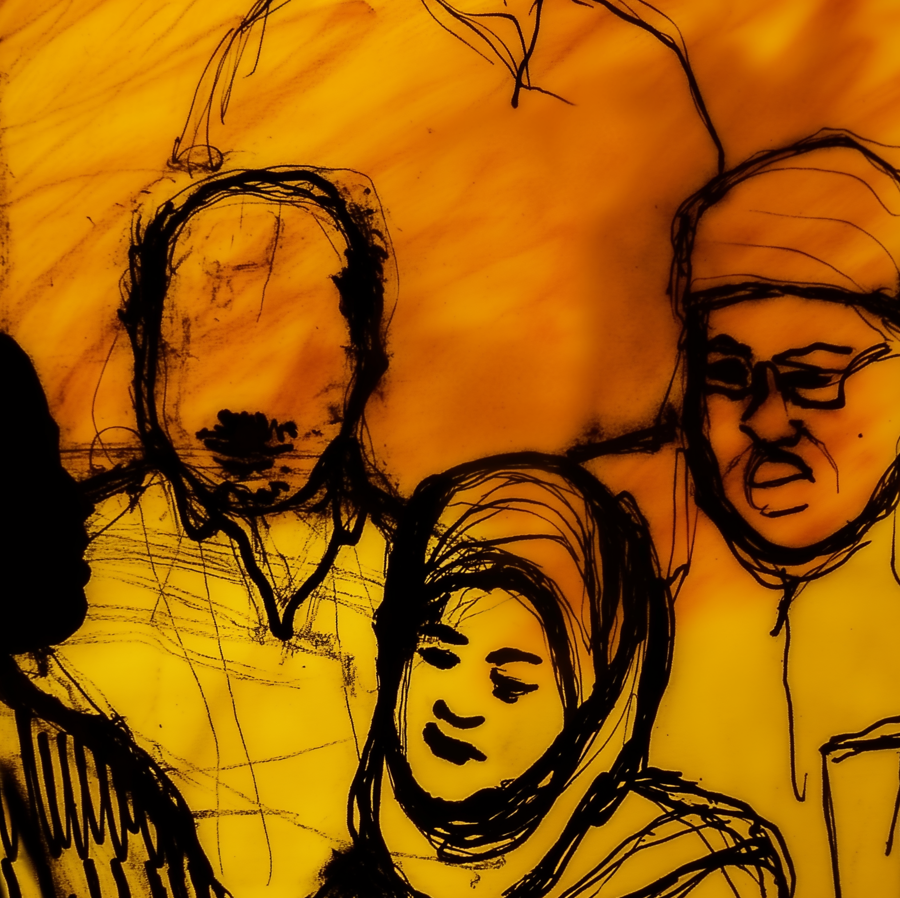
Marginal Trauma in Africa
Male Survivors of Sexual Violence:
- Context: In many African societies, the stigma around male survivors of sexual violence prevents them from coming forward. This issue is particularly prevalent in conflict zones where sexual violence is weaponized.
- Examples: In Uganda, a SIDINL group facilitated by local curators shared the stories of male survivors from refugee camps. These narratives exposed the psychological impact of their experiences and highlighted the urgent need for gender-inclusive trauma support systems.
Indigenous Communities Facing Social Erosion:
- Context: Indigenous African communities, such as the San in Southern Africa, face the trauma of losing their socio-cultural identity due to modernization and land displacement.
- Examples: Stories from Namibia highlight the mental toll of forced relocations and the loss of traditional livelihoods, emphasizing the need for mental health interventions that respect cultural heritage.
Children in Conflict Zones:
- Context: Children who grow up amidst conflict experience profound trauma, often manifesting as behavioral and emotional challenges.
- Examples: In the Democratic Republic of Congo, curators documented the stories of child soldiers reintegrating into society, revealing the long-lasting psychological scars and their path to recovery.
Marginal Trauma in Europe
Trauma Among Undocumented Immigrants:
- Context: Undocumented immigrants often live in fear of deportation, facing exploitation, poor living conditions, and social isolation.
- Examples: SIDINL groups in Italy have shared stories of North African migrants navigating the trauma of dangerous journeys and the uncertainty of their future in a new country.
Trauma Among Migrant Farm Workers in Rural Areas:
- Context: Migrant farm workers in rural European regions face significant mental health challenges due to harsh working conditions, economic instability, and social isolation. These individuals often experience language barriers and limited access to mental health services, compounding their struggles.
- Example: A SIDINL group in Southern Italy documented the experiences of seasonal farm workers dealing with the emotional toll of long hours, low pay, and displacement from their families. Through storytelling and peer-support sessions, participants found a sense of solidarity and began advocating for improved living and working conditions in their communities.
Generational Trauma in Roma Communities:
- Context: Roma populations across Europe face systemic discrimination, poverty, and cultural marginalization, leading to intergenerational trauma.
- Examples: In Hungary, a SIDINL group shared narratives of Roma families struggling to break the cycle of exclusion while preserving their cultural identity, emphasizing the role of storytelling in reclaiming dignity.
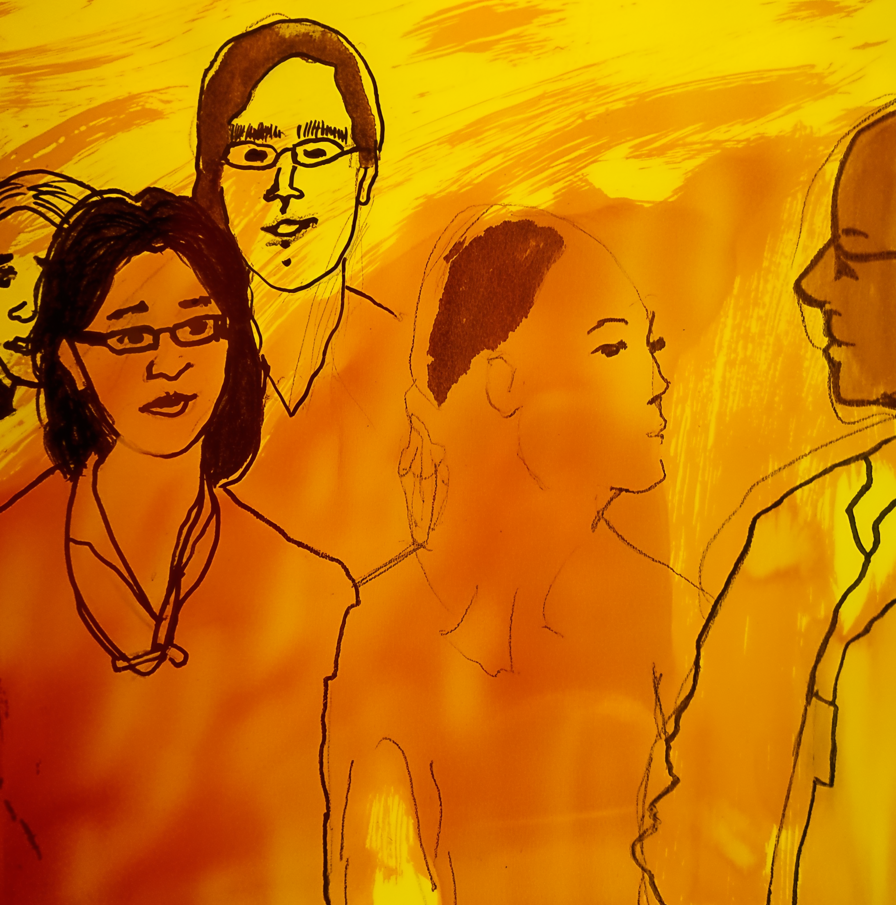
Why These Stories Matter
Marginal trauma often remains hidden due to cultural taboos, systemic neglect, or logistical challenges in reaching affected populations. By uncovering these stories, SIDINL Mental Health Groups:
- Raise Awareness: Highlight the unique challenges faced by marginalized individuals and communities.
- Challenge Stigma: Break down societal taboos surrounding issues like male sexual violence, undocumented status, or intergenerational trauma.
- Promote Inclusivity: Ensure that all voices, no matter how overlooked, are part of the mental health conversation.
- Foster Connection: Build empathy and solidarity by connecting marginalized groups across continents who share similar struggles.
Addressing Marginal Trauma
Through careful curation, local expertise, and culturally sensitive approaches, SIDINL creates a safe and supportive environment for the most vulnerable to share their experiences. These stories not only inform but also inspire meaningful action, ensuring that the mental health needs of marginalized populations are no longer ignored.