Trauma and Resilience
Mental trauma is a deeply personal yet universally shared experience, affecting individuals across cultures, regions, and contexts. In SIDINL’s Mental Health Groups, trauma becomes the focus of storytelling, healing, and solidarity. These groups serve as safe spaces for individuals to share their struggles, process their pain, and connect with others who understand their experiences. The diversity of participants across Africa and Europe enriches the dialogue, offering unique perspectives on resilience and recovery.
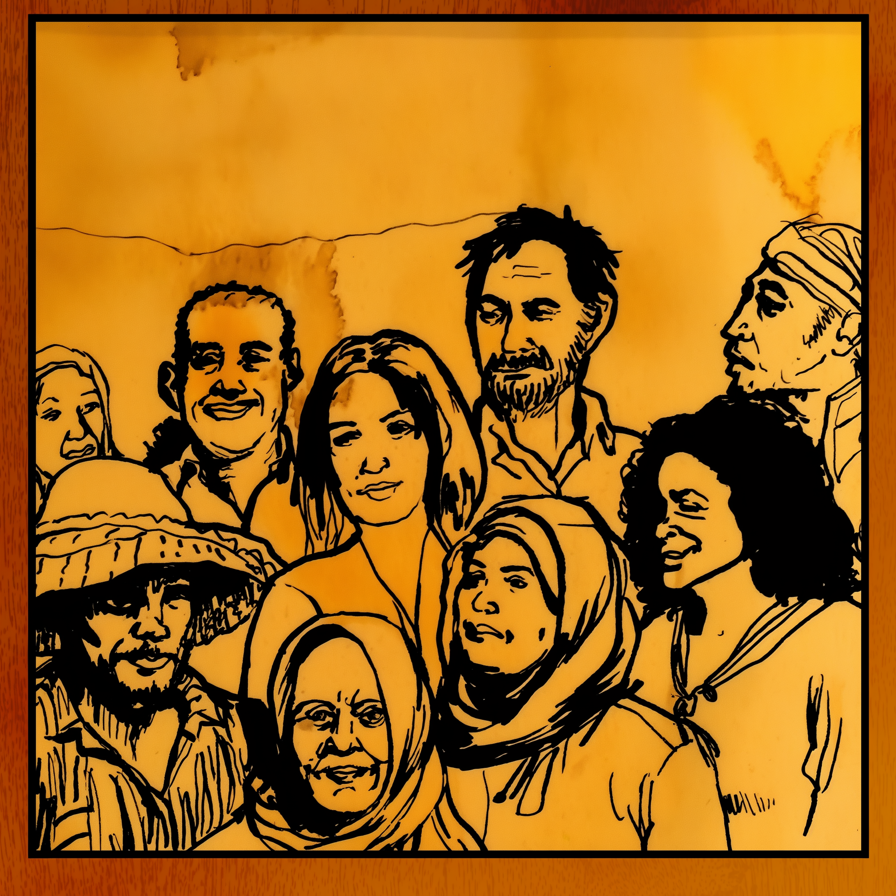
The Nature of Mental Trauma
Trauma within these groups encompasses a wide spectrum of experiences, reflecting the diverse challenges faced by participants. Key themes include:
Conflict and Displacement:
- Africa: Many participants share stories of surviving armed conflict, displacement, and the loss of loved ones. For example, curators in Northern Uganda document the experiences of widows navigating post-conflict trauma after years of civil war.
- Europe: Refugees and immigrants recount the psychological toll of fleeing war zones and rebuilding their lives in unfamiliar environments. Stories from Greece highlight the mental strain of prolonged displacement in refugee camps.
Gender-Based Violence:
- Africa: Women in South Africa and Uganda share accounts of domestic violence and sexual assault, focusing on their paths to resilience and advocacy for others.
- Europe: Narratives from immigrant women in urban centers like Paris reveal struggles with systemic discrimination, isolation, and overcoming the stigma of seeking mental health support.
Intergenerational Trauma:
- Africa: Communities in Rwanda explore the lingering effects of the 1994 genocide, with younger generations grappling with inherited trauma and the responsibility of preserving cultural memory.
- Europe: Stories from Eastern Europe examine how families affected by historical events like war or political oppression pass on emotional burdens to younger generations, affecting their mental health and identity.
Environmental Trauma:
- Africa: Farmers in regions like Kenya share the psychological toll of losing livelihoods due to droughts and floods caused by climate change.
- Europe: Rural communities in Spain recount the psychological toll of prolonged droughts, which have led to failing crops and the abandonment of family farms. These stories highlight the mental strain of losing generational livelihoods and the deep connection to the land.
The Role of Diversity in Trauma
The diversity of participants in SIDINL groups amplifies the richness of perspectives on trauma and resilience. Participants from Africa and Europe bring unique experiences shaped by their cultural, historical, and social contexts. This diversity fosters:
- Cross-Continental Empathy: By sharing their stories, participants build mutual understanding and reduce stereotypes about each other’s challenges.
- Culturally Informed Solutions: African communities’ use of communal healing practices, such as storytelling circles, inspires European groups. Conversely, structured therapy models from Europe offer valuable frameworks for African participants.
- Shared Humanity: Despite differences, participants discover common ground in their struggles with trauma, creating a foundation for solidarity and healing.
How Storytelling Heals Trauma
The act of sharing one’s story in a trusted group is transformative. SIDINL curators guide participants in framing their narratives, emphasizing:
- Validation: Telling one’s story allows individuals to feel seen and heard, often for the first time.
- Community Support: Participants form bonds with others who understand their pain, reducing feelings of isolation.
- Reframing and Growth: Narratives are shaped to highlight resilience, helping individuals see their strength and potential for recovery.
Examples of Trauma Stories in SIDINL Mental Health Groups
- Post-Conflict Healing in Uganda: Women widowed during conflict share stories of loss and resilience. Their narratives inspire similar groups in Europe to explore coping mechanisms for widows and single parents.
- Youth Mental Health in France: Immigrant teenagers in Marseille recount struggles with discrimination and identity, fostering dialogue with African youth groups facing challenges like urban violence and peer pressure.
- Climate Anxiety in Kenya and Spain: Farmers in Kenya and Spain share stories of environmental loss, exchanging strategies for resilience and sustainable adaptation.
Conclusion
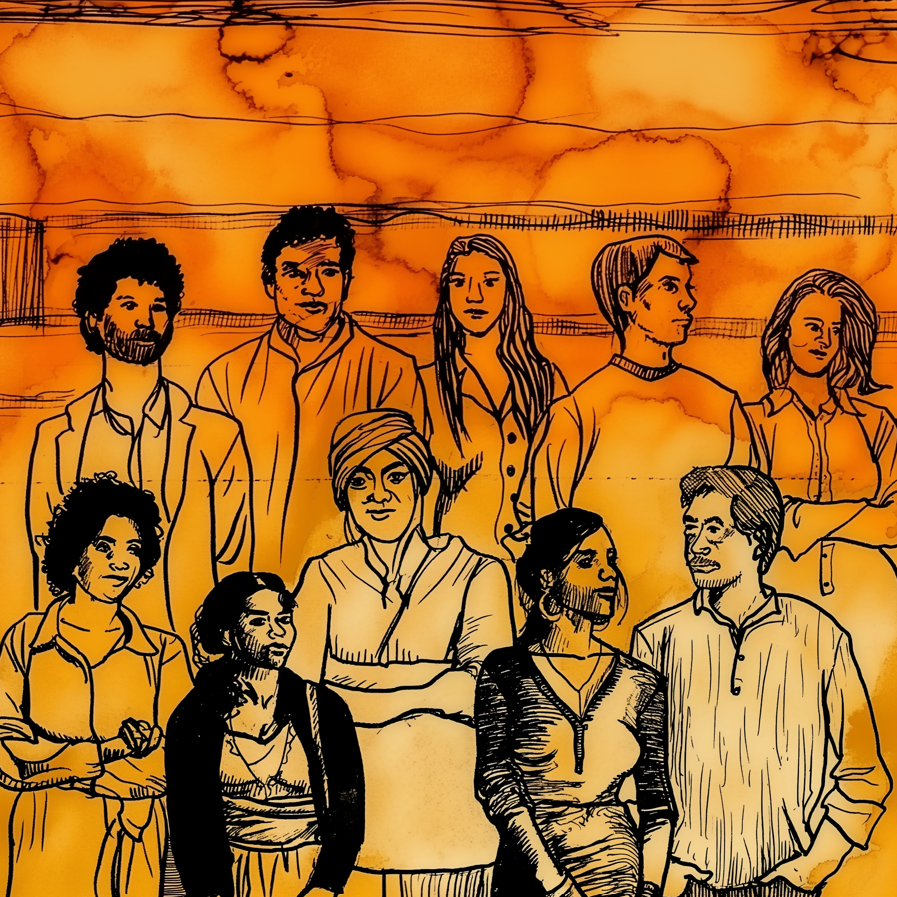
SIDINL Mental Health Groups illuminate the diversity and universality of trauma, bringing together voices from Africa and Europe to share, heal, and learn. These stories are not just narratives—they are bridges connecting individuals across continents, fostering mutual support, understanding, and resilience. Through this storytelling, SIDINL creates a global tapestry of healing, one story at a time.